
Stop the Chipping: Why We Preheat Glass with Short-Wave IR
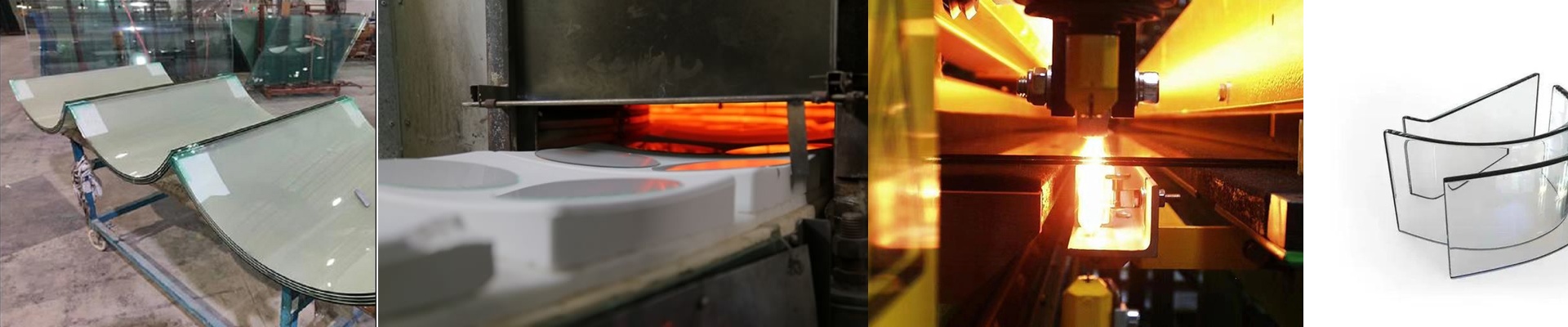
Anyone who’s spent time on a production floor knows the frustration of glass chipping. It’s a brittle beast. When you try to cut it cold, all that internal stress just wants to snap, leaving you with those annoying micro-cracks and jagged edges. It’s a waste of material and a headache for everyone. The trick we use? We hit the glass with short-wave quartz infrared lamps right before the cutting tool makes contact. Think of it like warming up your muscles before a workout. By heating the surface, we relax that internal tension and make the glass a bit more “forgiving.” The result is a clean, crisp break and way less scrap hitting the bin. The secret is in the wavelength We don’t use standard heaters here. We use short-wave IR (in that 0.76 to 2.5 $\mu m$ range) because it doesn’t just sit on the surface—it punches through fast. We stick with high-purity quartz tubes because they can handle an incredible amount of heat without breaking a sweat. This is huge for high-speed lines. You don’t have time to let the glass sit around and soak up heat; you need it hot now, in a matter of seconds, so the line keeps moving. Getting the setup right Of course, you can’t just crank the power and hope for the best. It’s a balancing act. If you’re dealing with thick float glass, you’ll need those high-wattage tubes to get the job done. But you’ve got to pair them with precise controllers. If you overdo it, you’ll end up with thermal shock or warping—which is just trading one problem for another. Plus, if the power density is too high, you’ll burn out your filaments way faster than you should. The key is matching your wattage to your conveyor speed. Simple, but it makes all the difference. Better edges, better yield When the glass is warm, the whole physics of the cut changes. You don’t need as much force to create a controlled crack. Instead of the cutting head fighting the material and triggering those erratic, jagged fractures, it just glides through. You get a consistent edge every single time. And the best part? You spend a lot less time grinding edges downstream. That’s more product out the door and a lot less stress on the team.