


Introduction
Picking an RV electric heater isn’t as simple as grabbing the biggest wattage. It’s about matching the heat to the actual space you live in—your rig’s quirks and all. We’re talking real stuff: that north-facing wall that always feels drafty. The insulation level of your walls. Get it right, and you get steady, draft-free warmth that doesn’t make your electrical system sweat.
Power, Voltage, and Load: Keeping It Real
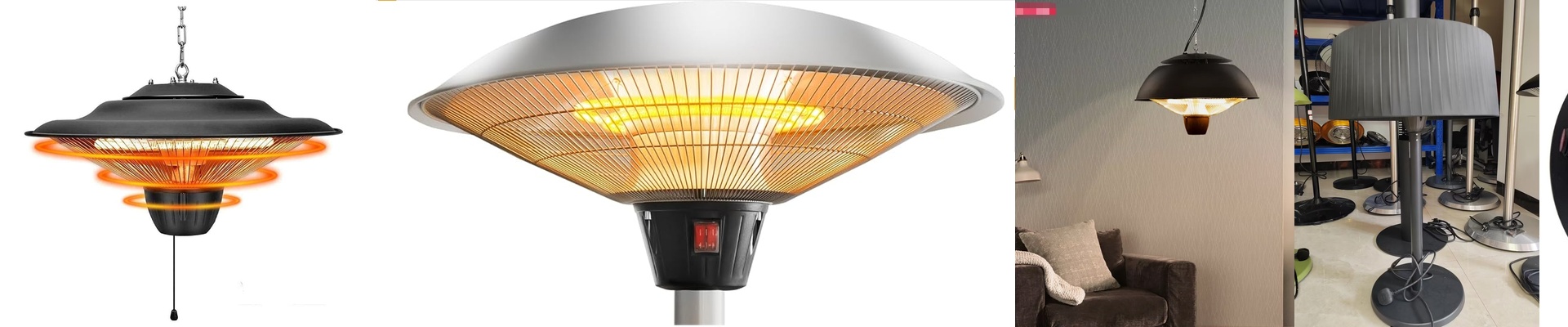
Most infrared heaters for RVs run on 120V or 240V, pulling between 800W and 1500W. The wattage is what decides how much heat actually reaches the spot you need it. Here’s the thing: if you’ve got a north-facing wall or window, you know—it bleeds heat. That side needs a stronger punch to keep you comfortable. But if you’re in a well-insulated area, with an R-value of 3 or higher, you can get away with less power without the heater constantly kicking on and off. So skip the guesswork. Figure out your heat loss first, then pick a heater that can actually make up for it.
Material and Design: The Heat Without the Bulk
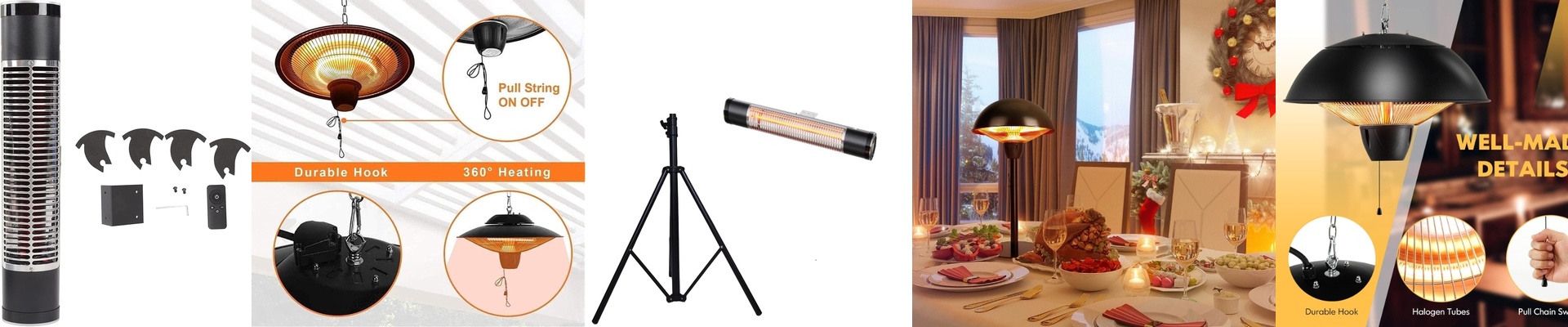
These heaters lean on quartz tubes, filled with halogen gas, and a reflective coating that aims the infrared heat right where you want it. That coating matters. It cuts down on waste and keeps nearby plastic from getting cooked. The payoff is a small unit that delivers a lot of heat without eating up floor space. We build the heating element to handle the on-off rhythm of RV life, but there’s a trade-off: you’ll feel the heat right where it’s pointed. And that means clearance is non-negotiable. Give it the space it needs, and it’ll do its job safely.
Why It Works in an RV: Precision That Saves You Headaches
In an RV, every amp matters. When you match the infrared heater to the room—how it faces, how it’s insulated—you avoid two nightmares: the heater running nonstop all night, or cycling on and off like crazy. That means less strain on your battery and inverter. It means components that last longer. And it means a heat source you can actually count on—predictable, easy to manage, and in sync with your rig’s thermal reality. Spec it for the room, not just the season. You’ll get comfort that feels steady, without the electrical drama.