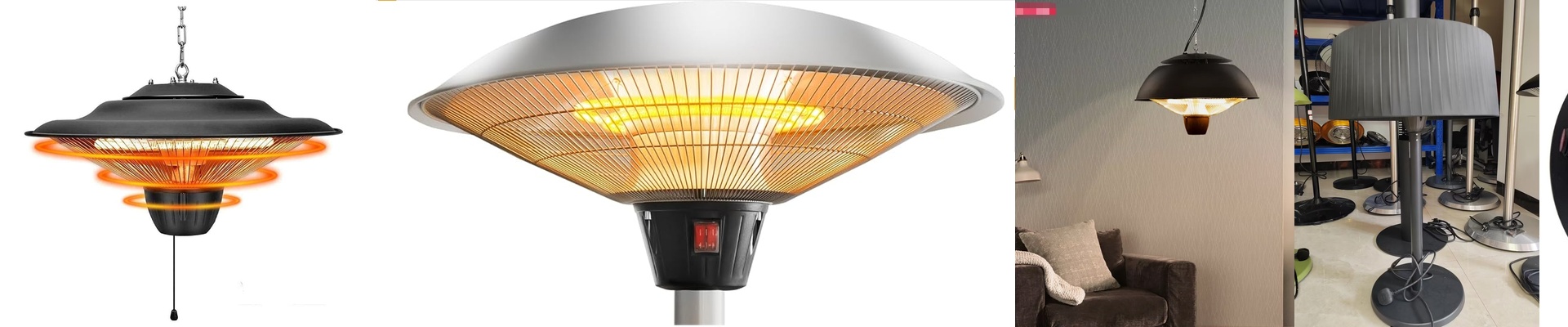
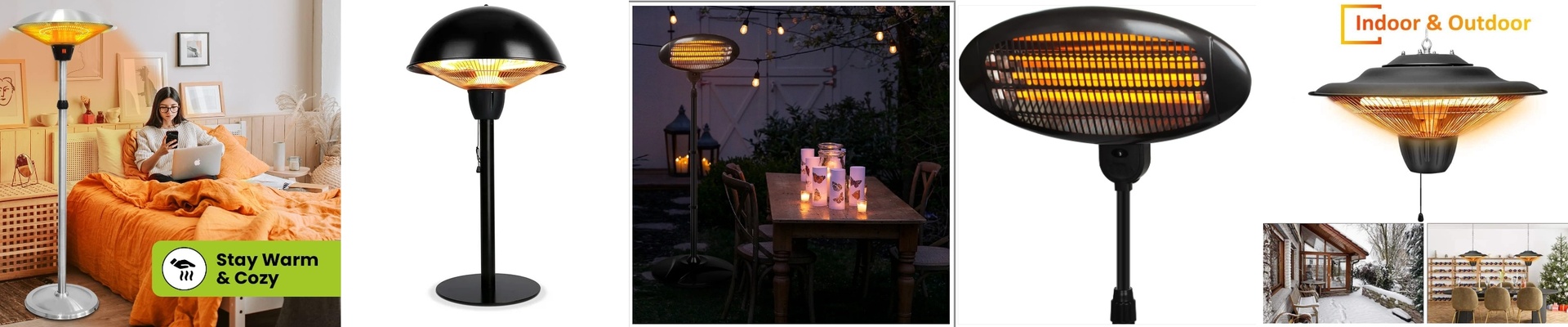
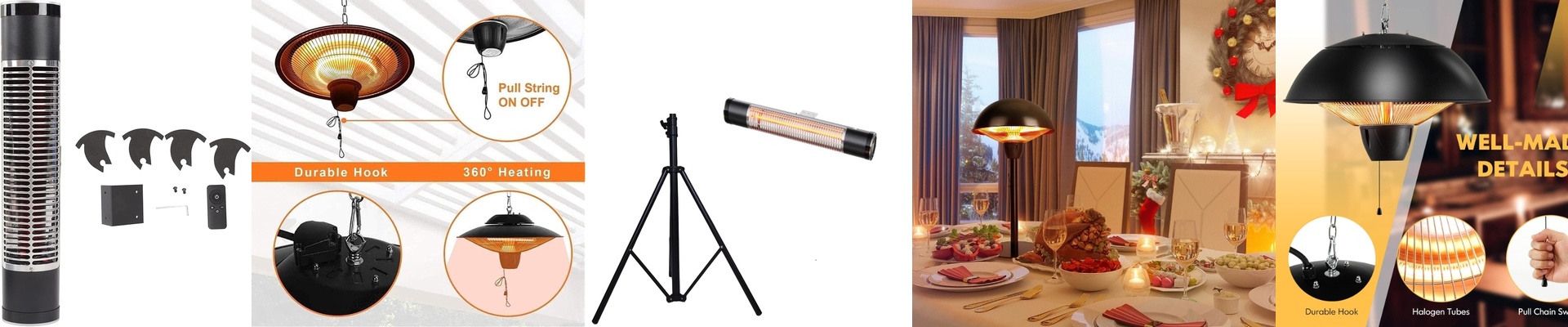
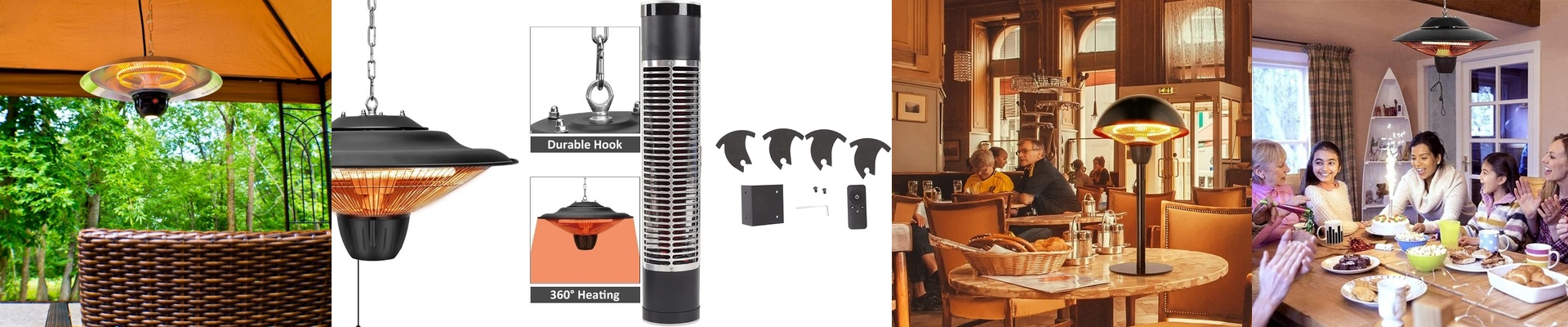
Bulk Infrared Heaters: Turning Frosty Outdoor Spaces Into Cozy Spots, Fast
We built these bulk patio heaters for one reason: to make freezing, wide-open outdoor areas feel warm and usable in seconds. The tech is simple—high-intensity infrared heating—but we obsess over making it work for real life, not just specs on a page.
Power, Voltage, and Heat: How It Actually Works
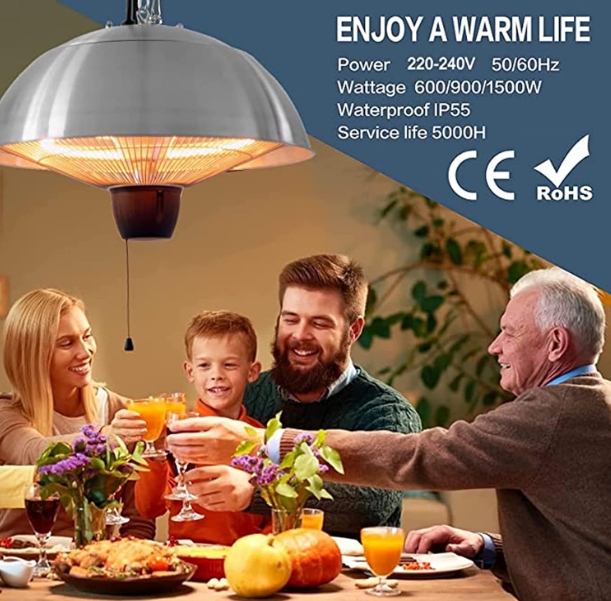
Infrared heaters don’t push air around. They send heat straight to people and surfaces, so you feel the warmth almost the moment it turns on. That direct hit is why these units can cover big areas without needing airflow to spread the heat. These are high-wattage heaters, designed for industrial voltages. More power means stronger radiant heat, and that strength is what gets a space warm quickly. But here’s the catch: that kind of power needs a circuit that’s up to the job, plus a plan for heat dissipation. If you skip the planning, you risk overheating nearby equipment and parts.
The Core Parts: Halogen, Quartz, and the R7s Details
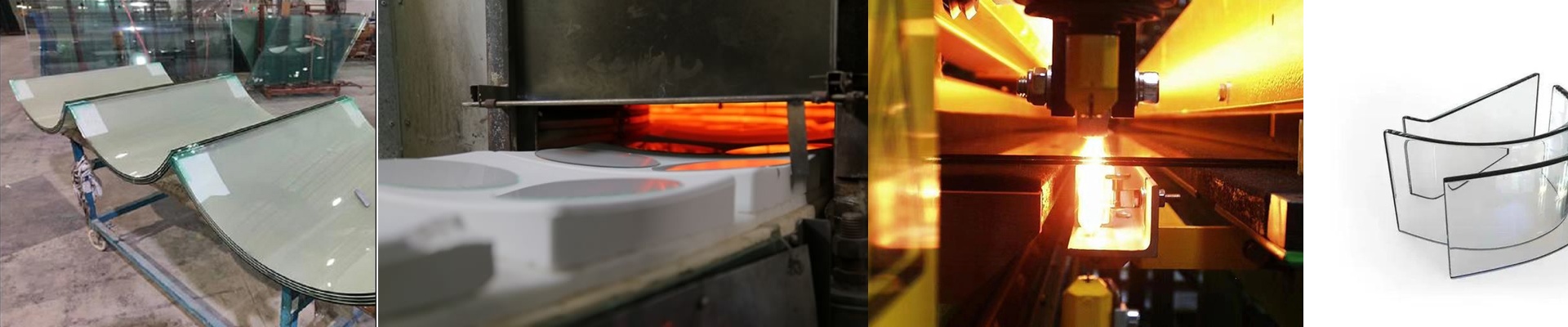
We use halogen-filled quartz tubes because they handle rapid on-off cycles that would kill weaker elements. The halogen gas keeps the filament stable, so the heat stays consistent over time. The quartz is tough, but it still needs a little backup. That’s where the coating and the R7s connector come in. The coating keeps the tube clean and helps it stand up to outdoor wear and tear. The R7s connector? It’s a practical choice—solid two-terminal contact that handles high current and gets plugged in and out again without fuss. For anyone installing or maintaining, it means fewer breakdowns and a simple swap when it’s time for upkeep.
Why It Matters: Fast Heat, Dependable Performance
With bulk patio heating, the goal isn’t just warmth—it’s predictable warmth. Infrared delivers heat where you need it, so you’re not wasting energy heating empty air. That means a chilly changing area can go from miserable to comfortable in seconds, with installation that stays straightforward and maintenance that doesn’t become a headache. Just remember: high heat output means you need the right electrical setup and smart thermal management. Plan your circuit, keep an eye on the surrounding temperature, and the heater will do the rest.