

Stop Wasting Power on Your Glass Annealing
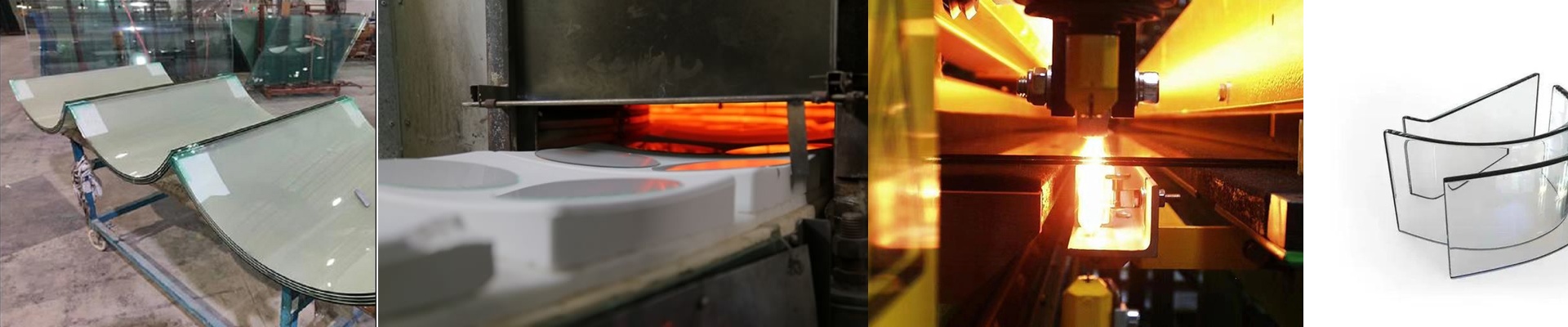
Let’s be honest: glass annealing is a total power hog. If you’re using traditional furnaces, you’re basically paying to heat up the air and the walls of a giant box before the glass even starts to get warm. It’s a waste. We decided to fix that by swapping those clunky systems for shortwave infrared (IR) lamps. Instead of heating the room, we hit the glass directly. How it actually works Shortwave IR moves at a higher frequency. In plain English? The heat doesn’t just linger in the air—it punches right through the surface of the glass. This means your warm-up times vanish. You stop paying to heat your entire factory floor and start putting that energy exactly where it belongs: on the workpiece. Packing more punch into less space We build these lamps for high-wattage output. Why? Because relieving internal stress in glass requires very specific temperature gradients. By using high-voltage tubes, we get a much tighter heat density. The best part is the footprint. You can cram a massive amount of heating power into a shorter tunnel, which means your annealing line doesn’t have to take up half the warehouse. The gear and the setup We use quartz envelopes for the lamps so they don’t crack when you cycle them on and off quickly. And don’t worry about a nightmare installation. We use standard industrial connectors, so these are basically drop-in replacements for your old rigs. You won’t have to rip out your control cabinet or rewire the whole shop just to get these running. A quick reality check Now, I won’t tell you this is a magic wand. It’s powerful, but that intensity comes with a catch. Because these lamps pump out so much localized heat, you have to get your cooling fans and ventilation right. If your airflow is lazy, you’ll end up overheating the sockets or—worse—getting uneven cooling in the glass. That’s how you get warping. Just make sure you have a solid exhaust plan to balance the heat, and you’re golden.