
Why Public Buildings Are Switching to Infrared Heaters
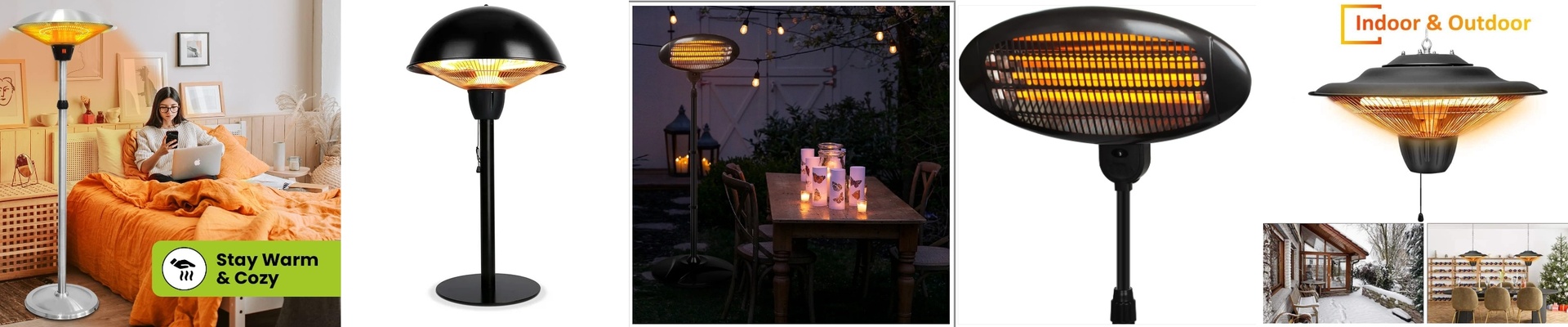
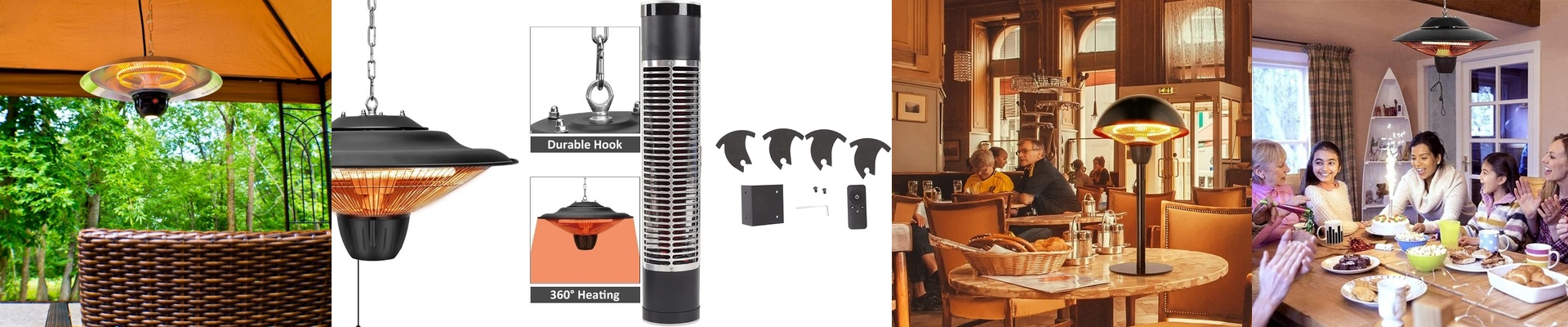
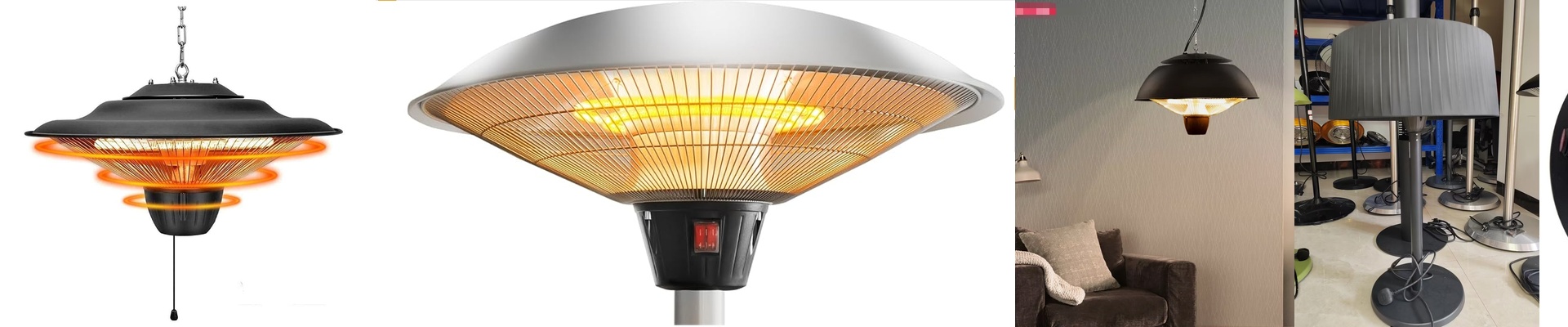
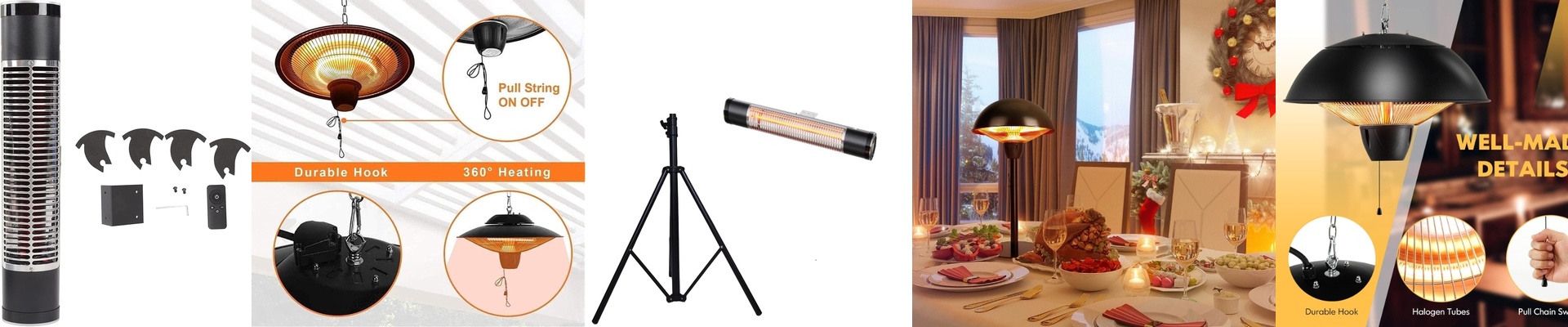
Let’s talk about a problem every town hall, library, and community center knows all too well: trying to heat a huge, open space is like trying to fill a bathtub with a thimble. It’s slow, it’s expensive, and you’re just throwing money away. Traditional forced-air systems just blast hot air around. But that heat rises straight up to the ceiling, while the people down on the floor are still shivering. So, what’s the fix? We built freestanding infrared heaters to solve this. They work differently. Instead of wasting energy on the air, they send a warm, direct beam of heat right where it’s needed: onto the people and the surfaces. You’re not heating the rafters; you’re heating the folks who are actually there. For a city on a tight budget, that kind of focus makes the yearly heating bill look a whole lot better.
Getting into the Details: Power, Voltage, and Flexibility
When you’re sizing up an infrared heater, you’re really looking at two things: how much power it has and how much space it takes up. Most of our units run between 2,500 and 4,000 watts. You’ve got options on the voltage, too—230V or 400V. The 400V model is perfect for those bigger municipal buildings that already have three-phase power. It lowers the amperage on each circuit, which means you can wire more heaters onto one electrical panel without tripping a breaker. That saves a ton on electrical infrastructure. And because they’re freestanding, you’re not stuck. Need to rearrange the room? Just move the heater. It’s that simple. These things are seriously efficient, too. They convert 80% to 90% of their power directly into radiant heat. That heat travels in a straight line, warming you from the moment you step into its path.
The Heart of the Machine: Halogen, Quartz, and Easy Fixes
Inside every heater is a halogen-filled quartz tube. The halogen gas is the hero here—it keeps the filament clean and stable, so the heater’s output stays strong and consistent over time. The quartz tube itself is tough as nails, built to handle intense heat and sudden temperature changes without cracking. Then there’s the R7s connector. It’s a standard, two-pin design that makes wiring a breeze and replacements super quick. And the tube’s coating? It’s not just for looks. It’s there to stand up to the environment and make sure all that heat is pointed exactly where you need it.
Real-World Use: Built to Last and Easy to Fix
Public buildings get a lot of foot traffic, and these heaters are built for that kind of abuse. They’re made to run continuously and are designed so maintenance is a total non-issue. When a tube does eventually burn out, the R7s base means the maintenance crew can swap it out in a matter of minutes, not hours. And because the heat is so focused, it takes a lot of the strain off the main HVAC system, which means lower energy use all around. There is a trade-off, of course. You’re creating intense, localized heat. So you just need to make sure the building’s ventilation and cooling can handle that extra warmth in the immediate area. But when you get the specs right, the payoff is huge: lower kWh, less strain on the power grid during peak times, and a predictable energy budget you can actually stick to.
The Bottom Line
For places like libraries and municipal offices, choosing a fleet of freestanding infrared heaters isn’t just a smart move—it’s a practical one. It puts the heat right where the people are, cuts down on wasted energy, and makes maintenance a simple task. The numbers don’t lie, and your budget will thank you.