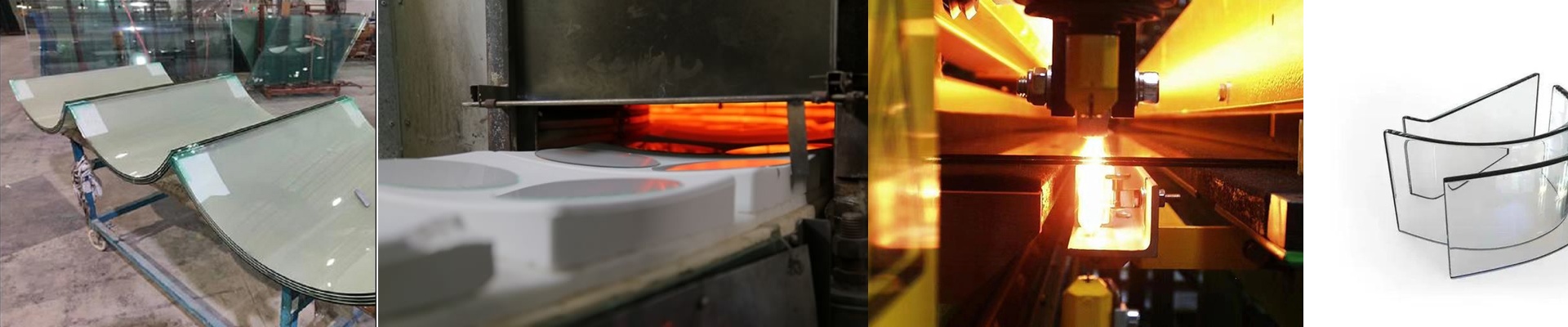
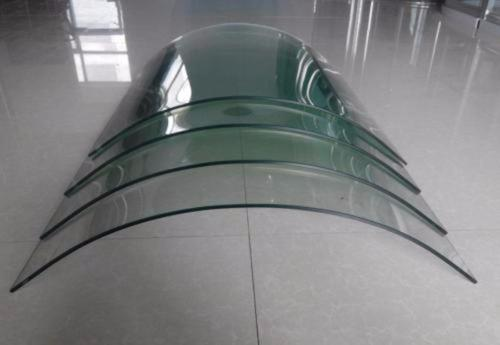
On the bending line, the oven doors swing open and the clock starts ticking. You need the glass to land in the right shape the first time—no rework, no scrap. When the heating profile is even a little off, you get optical distortion, thermal stress cracks, and a pile of rejects that gums up the whole line.
বেণ্ডিং লাইনে, ওভেনের দরজা খোলে এবং টাইমার শুরু হয়। গ্লাস প্রথমবারেই সঠিক আকারে অবতরণ করতে হবে—কোনো পুনরায় কাজ বা বর্জ্য হওয়া চলবে না। যখন হিটিং প্রোফাইল সামান্য হলেও সঠিক থাকে না, তখন অপটিক্যাল বিকৃতি, তাপীয় চাপের ফাটল, এবং বর্জ্যের স্তুপ তৈরি হয় যা পুরো লাইনকে বাধাগ্রস্ত করে।
Zoned heating is how we take that risk out of the bend.
জোনড হিটিংই বেণ্ডে সেই ঝুঁকি দূর করার উপায়।
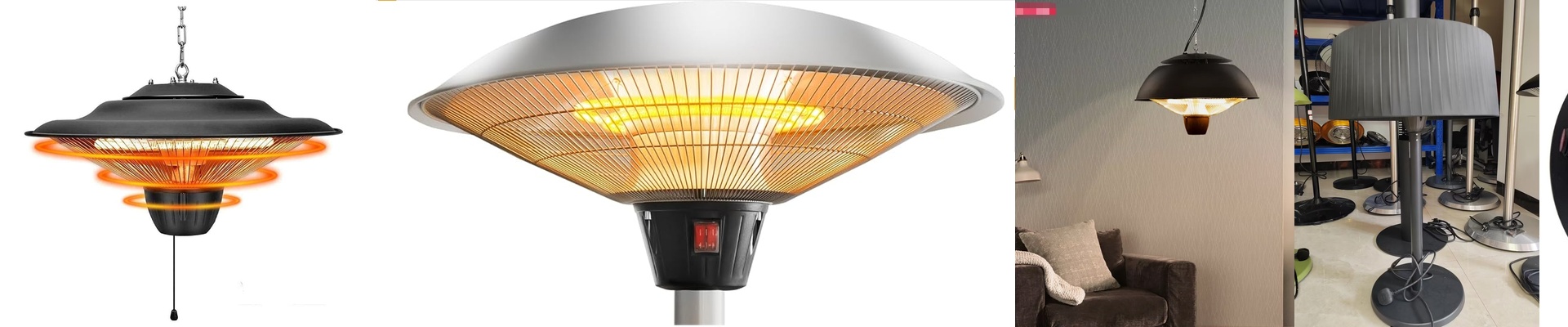
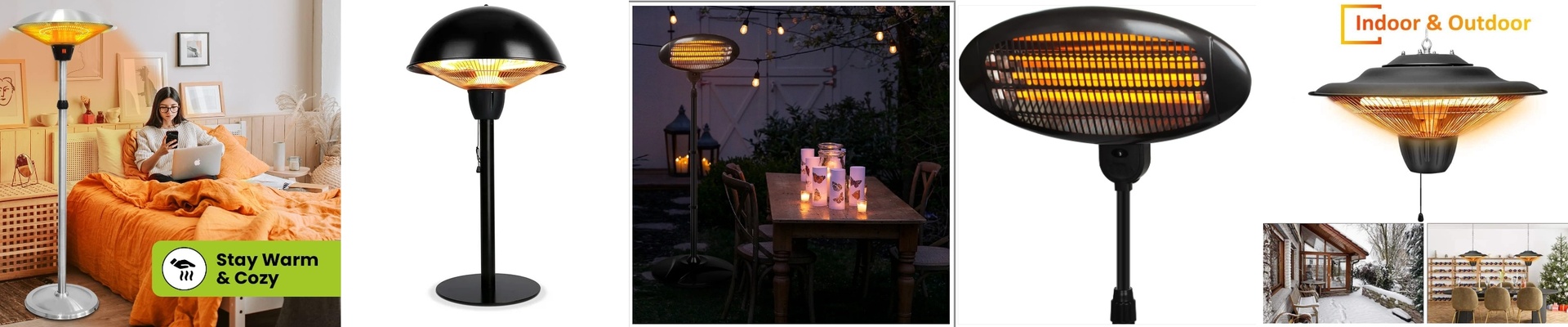
Here’s what matters technically. We build zoned infrared heating around short-wave quartz emitters, tuned for fast response and tight thermal control. The emitters put the heat where it needs to be—directed radiation, minimal convection—so you’re heating the glass surface, not the furnace structure.
প্রযুক্তিগত দিক থেকে যা গুরুত্বপূর্ণ তা হল—আমরা সংক্ষিপ্ত তরঙ্গ কুয়ার্টজ ইমিটার ব্যবহার করে জোনড ইনফ্রারেড হিটিং তৈরি করি, যা দ্রুত প্রতিক্রিয়া এবং সুনির্দিষ্ট তাপ নিয়ন্ত্রণের জন্য টিউন করা। এই ইমিটারগুলি তাপ সরাসরি যেখানে প্রয়োজন সেখানে প্রেরণ করে—নির্দেশিত বিকিরণ এবং ন্যূনতম সংবহন—যাতে আপনি গ্লাসের পৃষ্ঠতল গরম করেন, ওভেনের কাঠামো নয়।
Each zone is controlled independently, which means the crown, the edges, and the transition areas can run at different temperatures. That gives you a uniform thermal field across the sheet, with quick stabilization after setpoint changes. In practice, it translates to repeatable heating cycles and predictable behavior when the glass hits the press.
প্রত্যেক জোন স্বতন্ত্রভাবে নিয়ন্ত্রিত হয়, যার অর্থ ক্রাউন, ধারের অংশ এবং ট্রানজিশন এরিয়া আলাদা আলাদা তাপমাত্রায় চলতে পারে। এর ফলে শিট জুড়ে সমান তাপ ক্ষেত্র তৈরি হয় এবং সেটপয়েন্ট পরিবর্তনের পর দ্রুত স্থিতিশীলতা আসে। বাস্তবে, এটি পুনরাবৃত্ত হিটিং সাইকেল এবং প্রেসে গ্লাস পৌঁছানোর সময় পূর্বনির্ধারিত আচরণ নিশ্চিত করে।
Complex bends and thick-to-thin transitions don’t play nice with a one-size-fits-all profile. You need a heating pattern that follows the geometry. With zoned infrared, you cut down on differential expansion and avoid the localized overheating that brings optical defects.
জটিল বেণ্ড এবং পুরু থেকে পাতলা ট্রানজিশন এক ধরনের প্রোফাইলে সঠিক কাজ করে না। এই ক্ষেত্রে এমন একটি হিটিং প্যাটার্ন প্রয়োজন যা জ্যামিতির সঙ্গে সামঞ্জস্য রাখে। জোনড ইনফ্রারেড ব্যবহারে ভিন্ন ভিন্ন সম্প্রসারণ কমে যায় এবং স্থানীয় অতিরিক্ত গরম হওয়া থেকে বিরত রাখা যায়, যা অপটিক্যাল ত্রুটি সৃষ্টি করে।
The fast response also shortens dwell time, so throughput climbs without sacrificing quality. Energy use drops too, because the emitters only run when the zone needs heat, and the directed radiation means less wasted heat in the chamber.
দ্রুত প্রতিক্রিয়ার কারণে ডওয়েল টাইমও কমে যায়, ফলে গুণগত মান হারানো ছাড়াই উৎপাদন বৃদ্ধি পায়। শক্তির ব্যবহারও কমে, কারণ ইমিটারগুলি শুধুমাত্র সেই জোনে তাপের প্রয়োজন হলে চালু হয় এবং নির্দেশিত বিকিরণের ফলে চেম্বারে তাপের অপচয় কম হয়।
For you, that means fewer fractures, tighter tolerances, and a line that holds steady shift after shift.
আপনার জন্য এর অর্থ কম ফাটল, কঠোর সহনশীলতা এবং ধারাবাহিক শিফটে স্থিতিশীল লাইন।
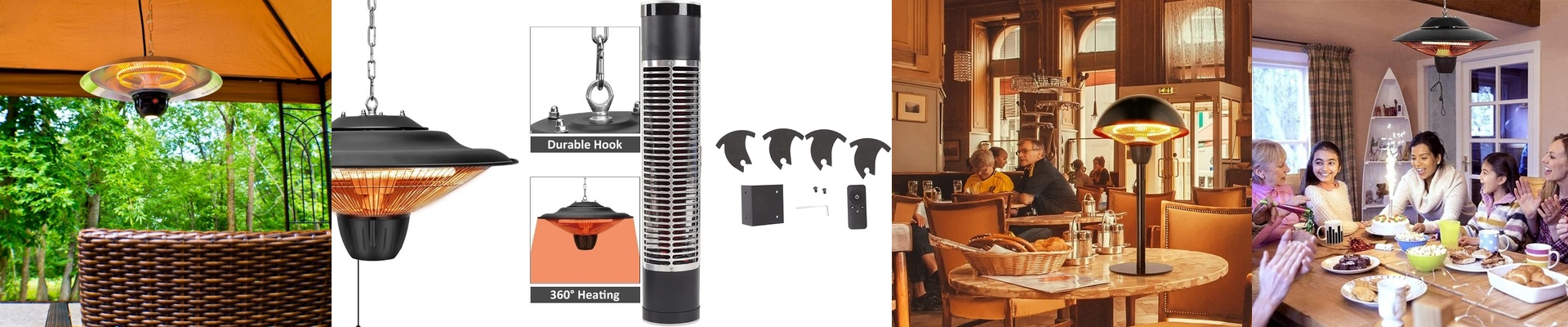
Zoned infrared modules are straightforward to integrate, but you still have to pay attention to mounting clearance and line-of-sight to the glass. Emissivity can swing on coated or printed glass, so the control strategy needs to match your product mix.
জোনড ইনফ্রারেড মডিউলগুলি সংযুক্ত করা সহজ, তবে মাউন্টিং ক্লিয়ারেন্স এবং গ্লাসের লাইন-অফ-সাইট নিয়ে খেয়াল রাখা জরুরি। কোটেড বা প্রিন্টেড গ্লাসে এমিসিভিটি পরিবর্তিত হতে পারে, তাই নিয়ন্ত্রণ কৌশল আপনার পণ্যের মিশ্রণের সঙ্গে সামঞ্জস্যপূর্ণ হতে হবে।
We size the zones, power, and control logic around your bending press and cycle targets, and we set the interface to work with your existing PLC and temperature feedback. Plan for routine emitter inspections, and keep spare zone assemblies on the shelf—when the line is down, minutes matter.
আমরা আপনার বেণ্ডিং প্রেস এবং সাইকেল লক্ষ্য অনুযায়ী জোন, পাওয়ার এবং নিয়ন্ত্রণ লজিক নির্ধারণ করি, এবং ইন্টারফেস সেট করি যাতে এটি আপনার বিদ্যমান PLC এবং তাপমাত্রা প্রতিক্রিয়ার সঙ্গে কাজ করে। নিয়মিত ইমিটার পরিদর্শনের পরিকল্পনা করুন এবং অতিরিক্ত জোন অ্যাসেম্বলি স্টকে রাখুন—লাইন বন্ধ হলে মিনিটগুলো গুরুত্বপূর্ণ হয়।