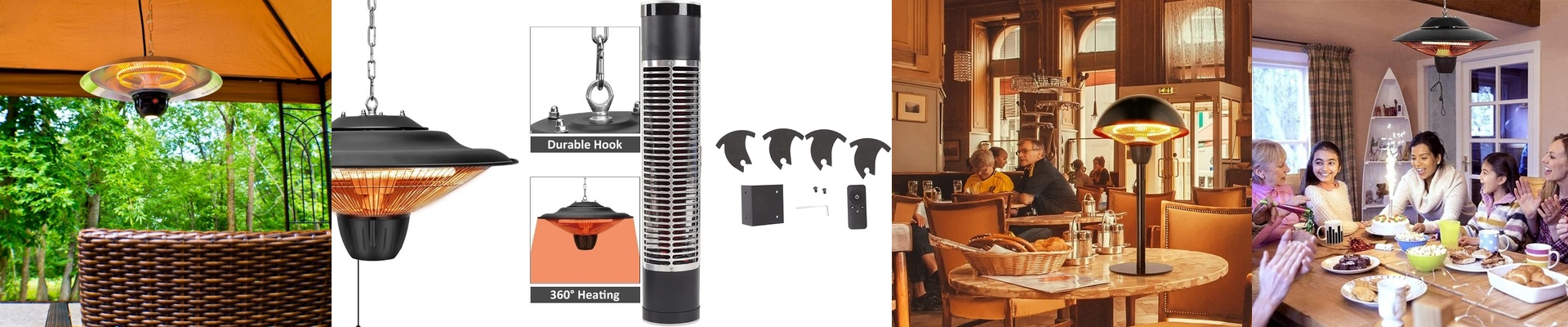
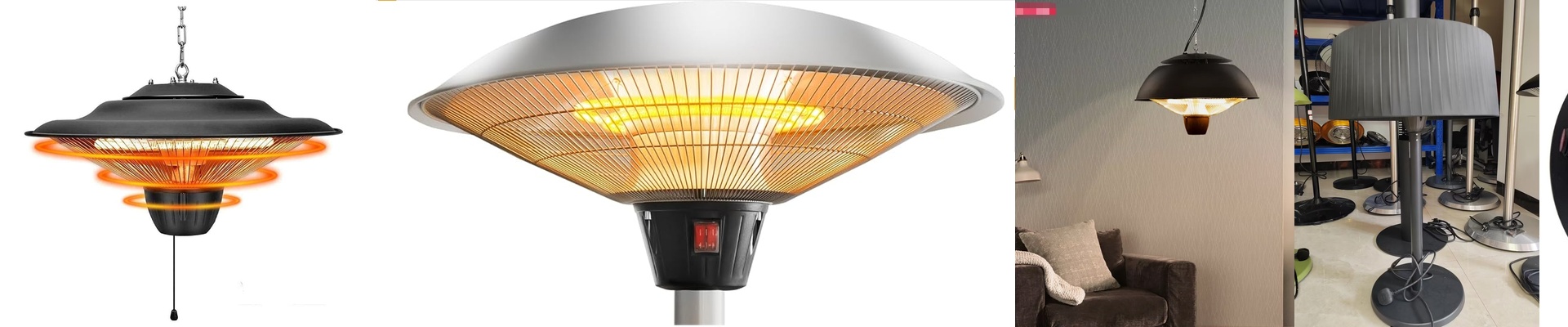
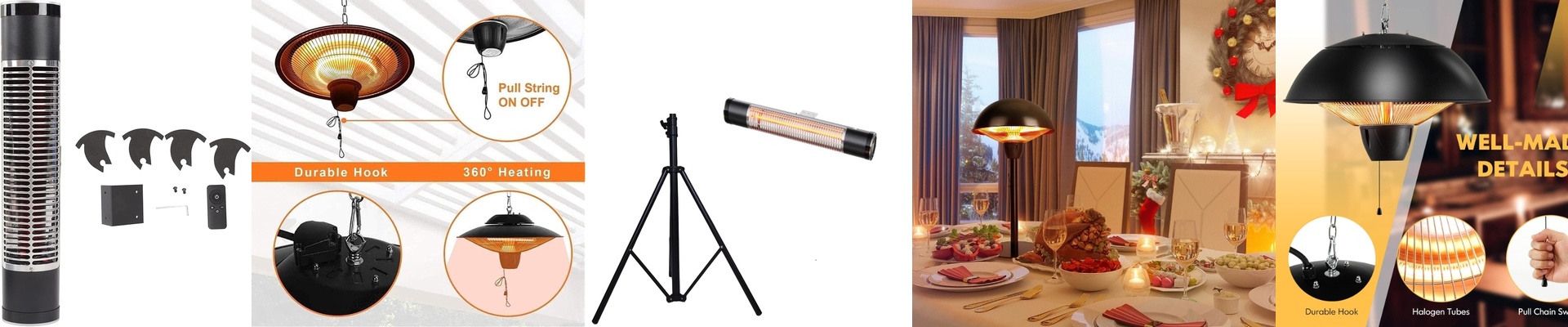
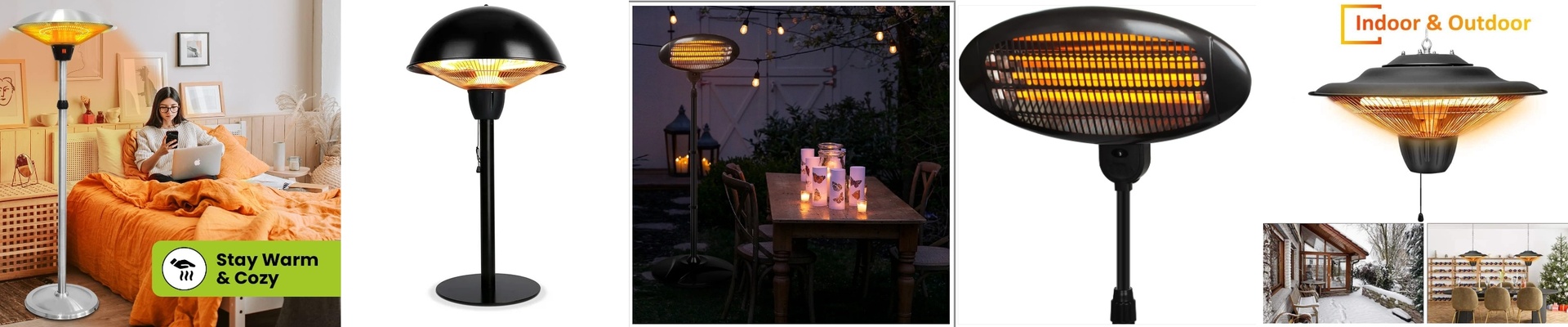
Energy prices keep climbing, and every degree you add to the meter shows up on the invoice. The real sting is choosing between comfort and cost—especially when you want to keep outdoor evenings, workshops, or family rooms actually warm. A 3-phase electric heater built around infrared warmth flips that trade-off, because it heats what matters first: people, surfaces, and the air where you actually move.
What matters, technically
A 3-phase electric heater is built for higher power on a balanced electrical load, pulling current across three live conductors instead of one. That gives you more heat output for the same current draw compared with single-phase units, which usually means faster warm-up and more consistent performance when it’s cold. Infrared heating delivers warmth directly, like sunshine on your skin—objects and bodies absorb the radiant heat, so you don’t have to heat the surrounding air first. In practice, you feel comfortable faster, and you’re not constantly chasing the thermostat.
Why it works when the bills are the worry
When the invoice is the pressure, efficiency isn’t a spec—it’s keeping your home and outdoor spaces livable without panic. Infrared warmth comes on immediately, so you get heat when you need it, not after a long warm-up cycle. Because the heat is directional, you can focus it where people actually gather, instead of wasting energy on empty corners. That targeted approach can reduce the need to heat the entire volume of a space, which is why many homeowners see a meaningful drop in winter energy use. The payoff is a space that feels steady and cozy, with heating costs more under control.
The practical stuff—what you need to know
This is an electric heater, so it needs the right electrical setup. A 3-phase supply is required, and the unit must be installed by a qualified electrician on a dedicated circuit with proper overcurrent protection. Infrared heaters perform best when the path to the target is clear. Keep them out from behind obstructions, and position them for direct line-of-sight to the seating area. For outdoor use, check the IP rating and follow the location guidance to keep moisture out and longevity in.